
https://www.nps.gov/nace/ | Carter G. Woodson – https://www.nps.gov/cawo/ | Mary McLeod Bethune – https://www.nps.gov/mamc | Frederick Douglass – https://www.nps.gov/frdo |
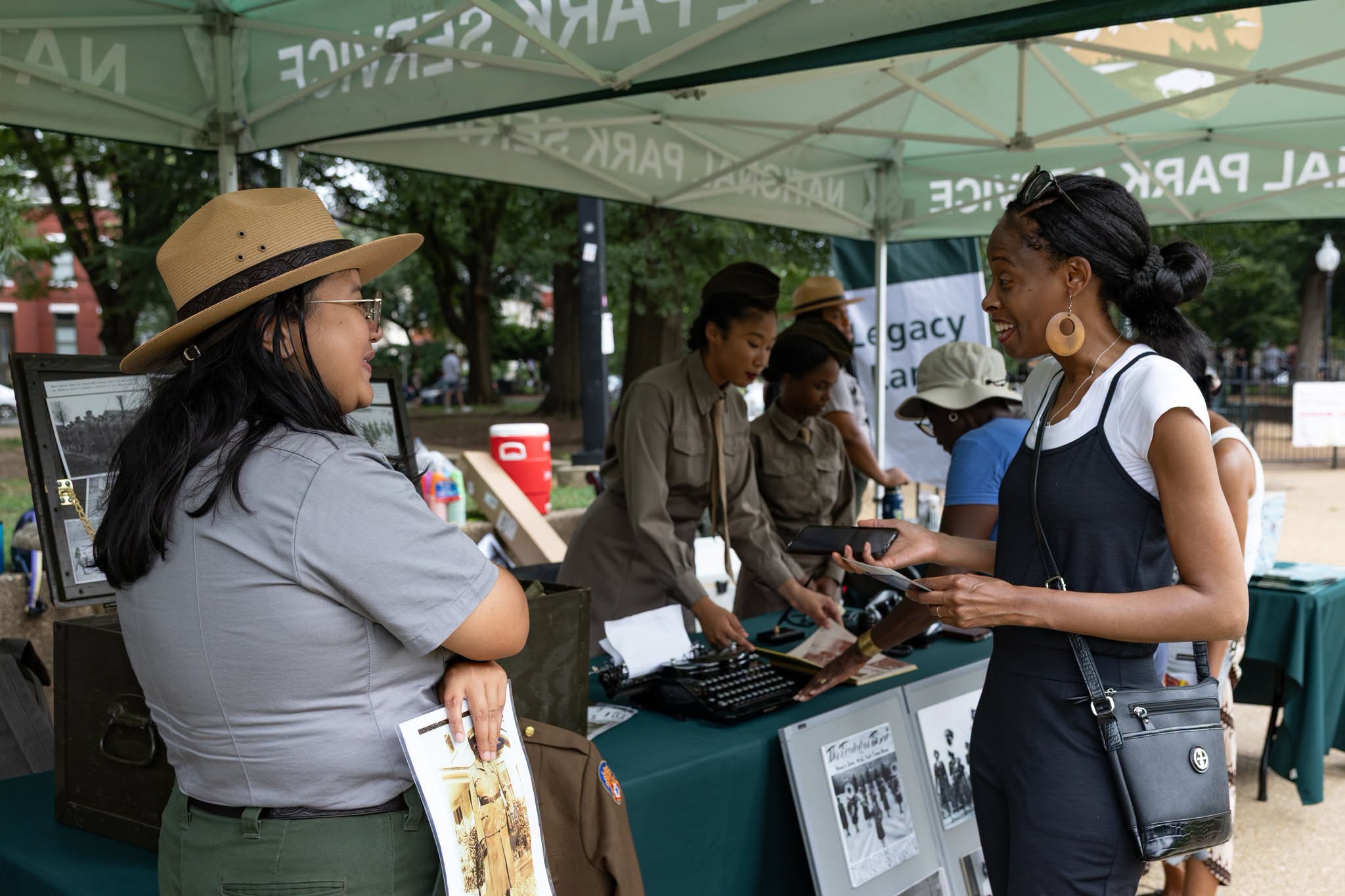
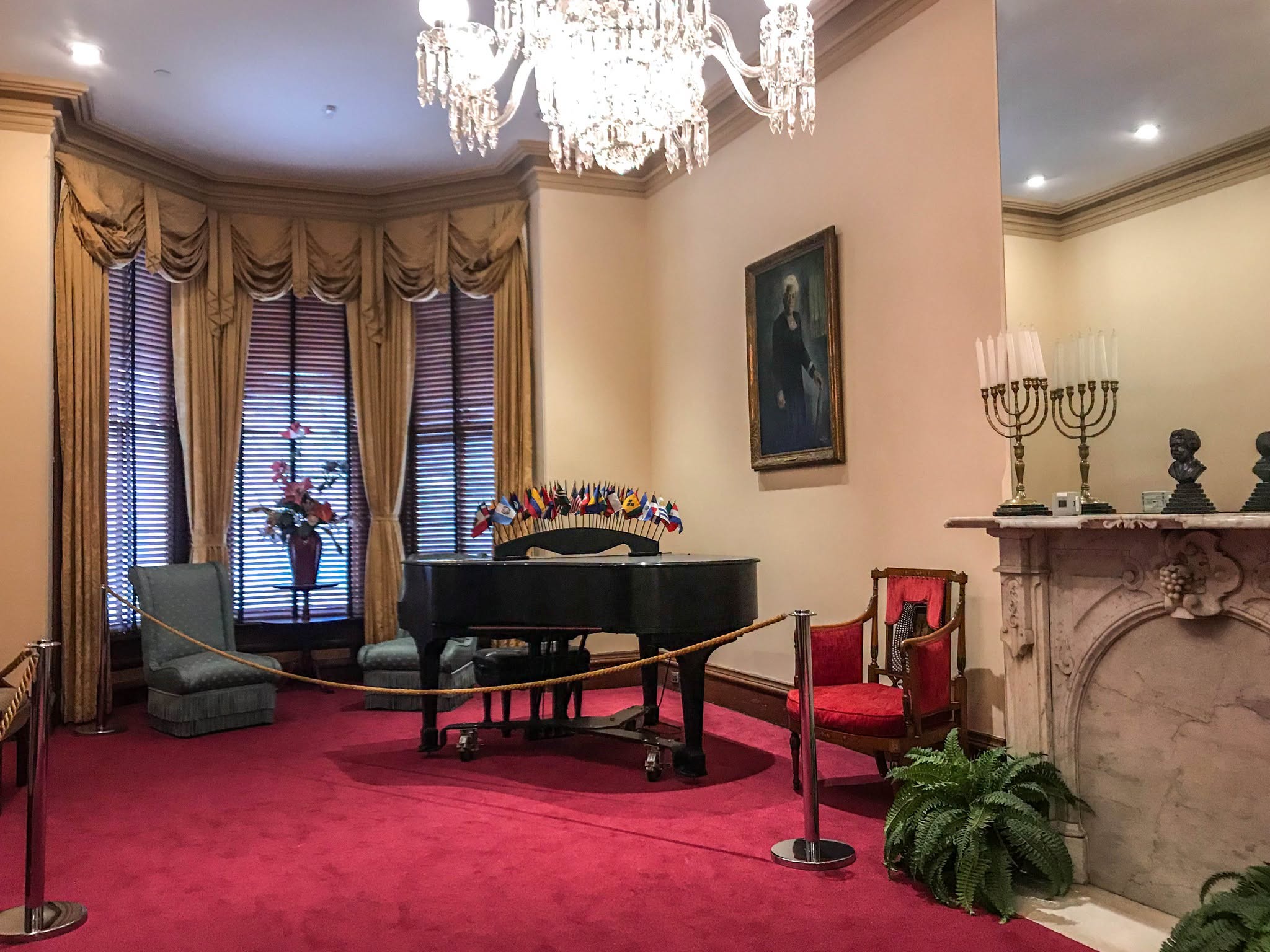
The Historic Interpreter will work primarily indoors within visitor centers, museum spaces, and historic homes located throughout National Capital Parks–East. Most daily activities take place in climate-controlled facilities, providing opportunities to engage directly with visitors through guided tours, educational programs, and interpretive presentations.
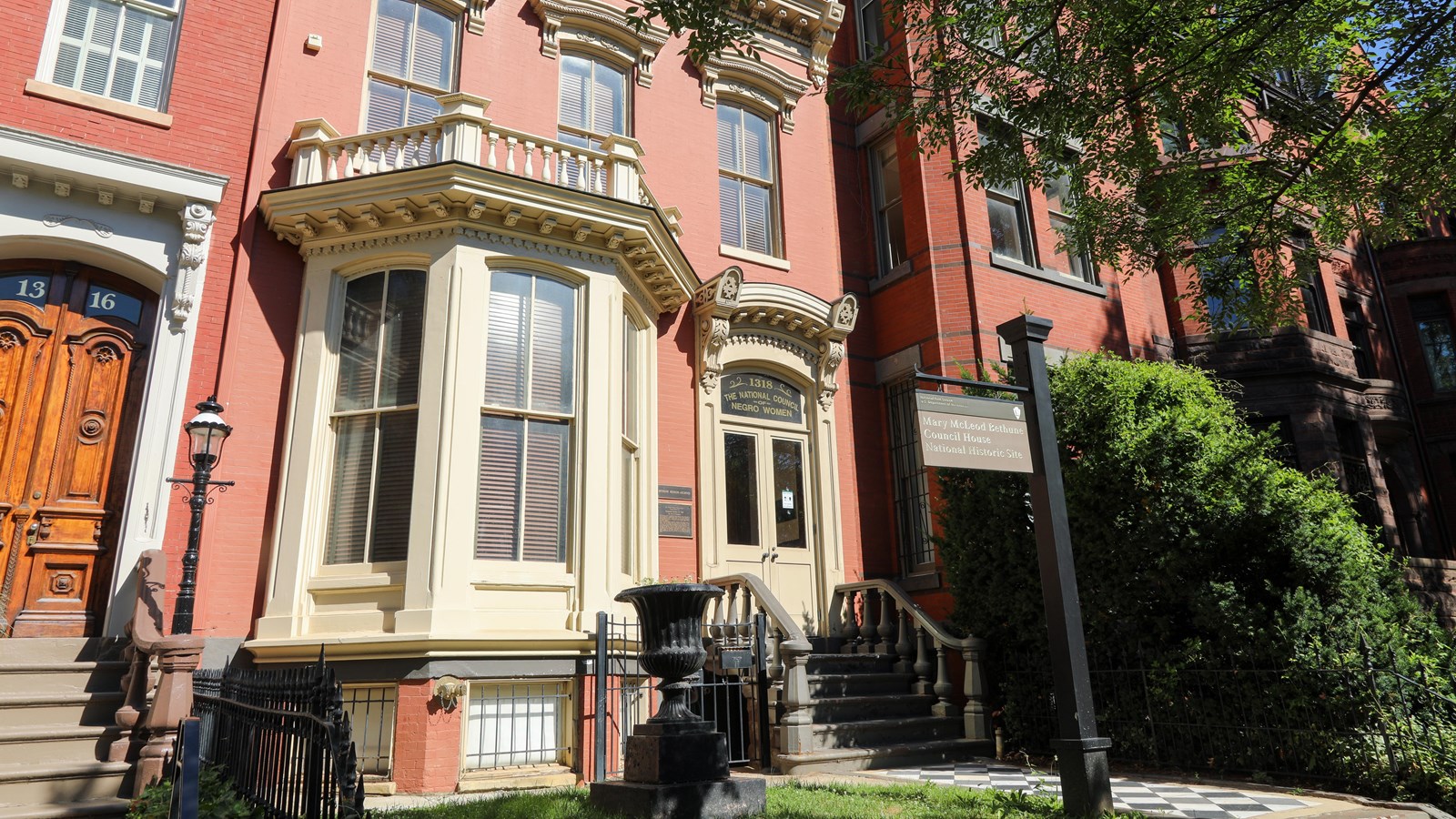
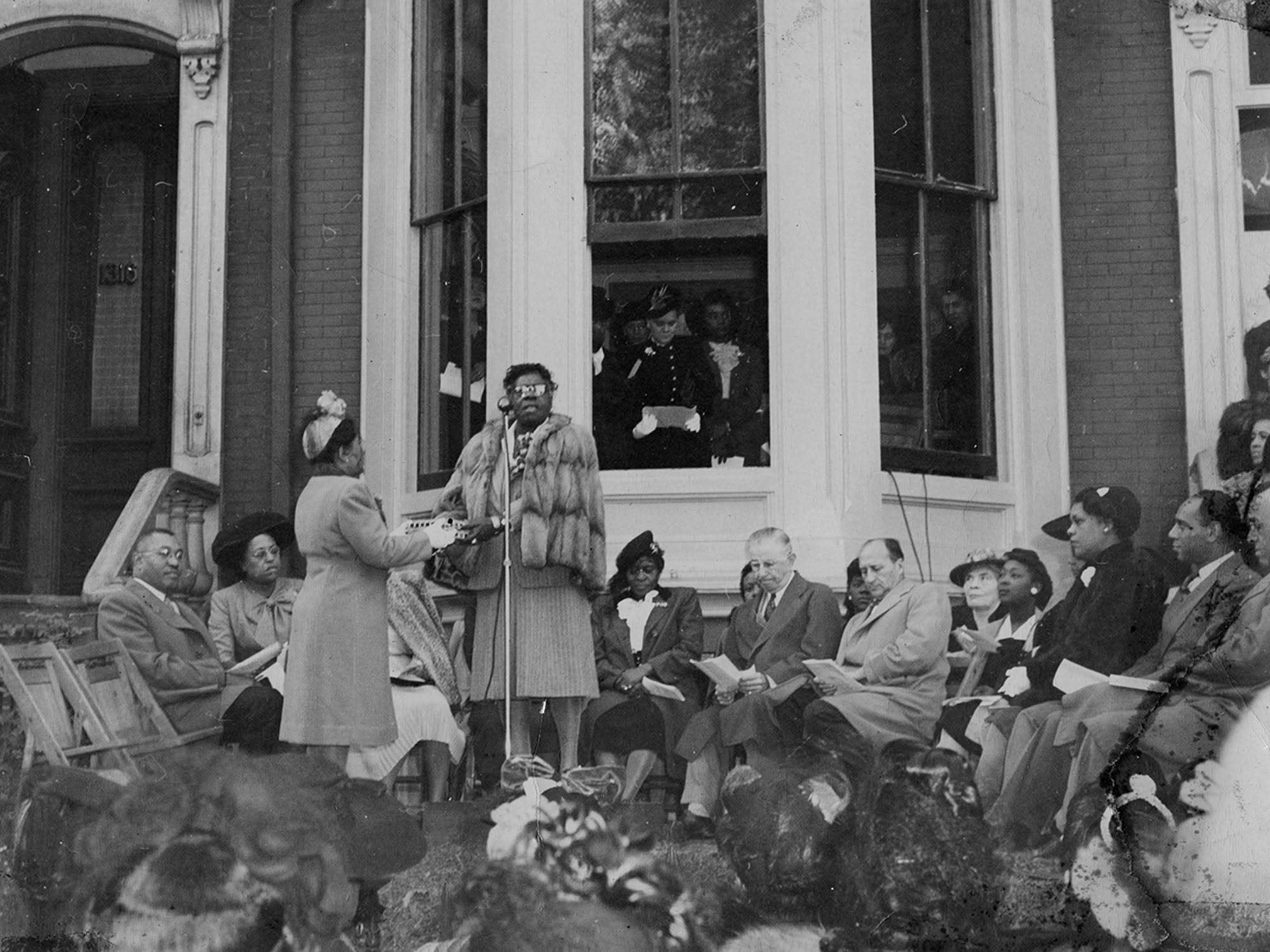
The internship is based in Washington, D.C., with work centered at three nationally significant African American historic sites: Carter G. Woodson Home National Historic Site, Mary McLeod Bethune Council House National Historic Site, and Frederick Douglass National Historic Site. Interns may also participate in special events, outreach programs, and digital interpretation projects throughout the summer.
The Historic Interpreter will work alongside National Park Service staff to help visitors explore the lives, leadership, and lasting contributions of Dr. Carter G. Woodson, Mary McLeod Bethune, and Frederick Douglass—three of the most influential figures in American history.
Working within original historic homes and museum spaces, the intern will provide visitor services, deliver educational programs, conduct historical research, and develop interpretive experiences that connect visitors to the stories preserved at these nationally significant sites.
Primary responsibilities include:
Throughout the internship, participants will receive professional training in historical interpretation while gaining firsthand experience in public history, museum education, visitor engagement, and digital storytelling.
The internship provides practical experience in historical interpretation, public speaking, visitor engagement, historical research, museum education, and digital communication.
The intern will strengthen skills in audience-centered interpretation, educational programming, exhibit development, historical research, digital media creation, and professional communication while learning how the National Park Service preserves and shares nationally significant stories.
Participants will also gain a broader understanding of career opportunities within the National Park Service, including interpretation, education, museum collections, archives, and cultural resource management.
The Historic Interpreter will receive ongoing mentorship from experienced National Park Service interpreters, educators, and historians throughout the internship.
Interns will work closely with park staff during daily visitor operations while receiving coaching in interpretive techniques, public speaking, storytelling, historical research, and visitor engagement. Regular feedback, project guidance, and reflective discussions will support both professional growth and confidence in public-facing roles.
Additional professional development opportunities may include workshops, seminars, behind-the-scenes tours, interdisciplinary collaboration, and networking with historians, educators, museum professionals, and National Park Service staff working across multiple program areas.
Preferred qualifications include:
Applicants should have completed at least one year of college. Coursework in History, African American Studies, Education, Communications, Public History, Performing Arts, or Digital Media is beneficial.
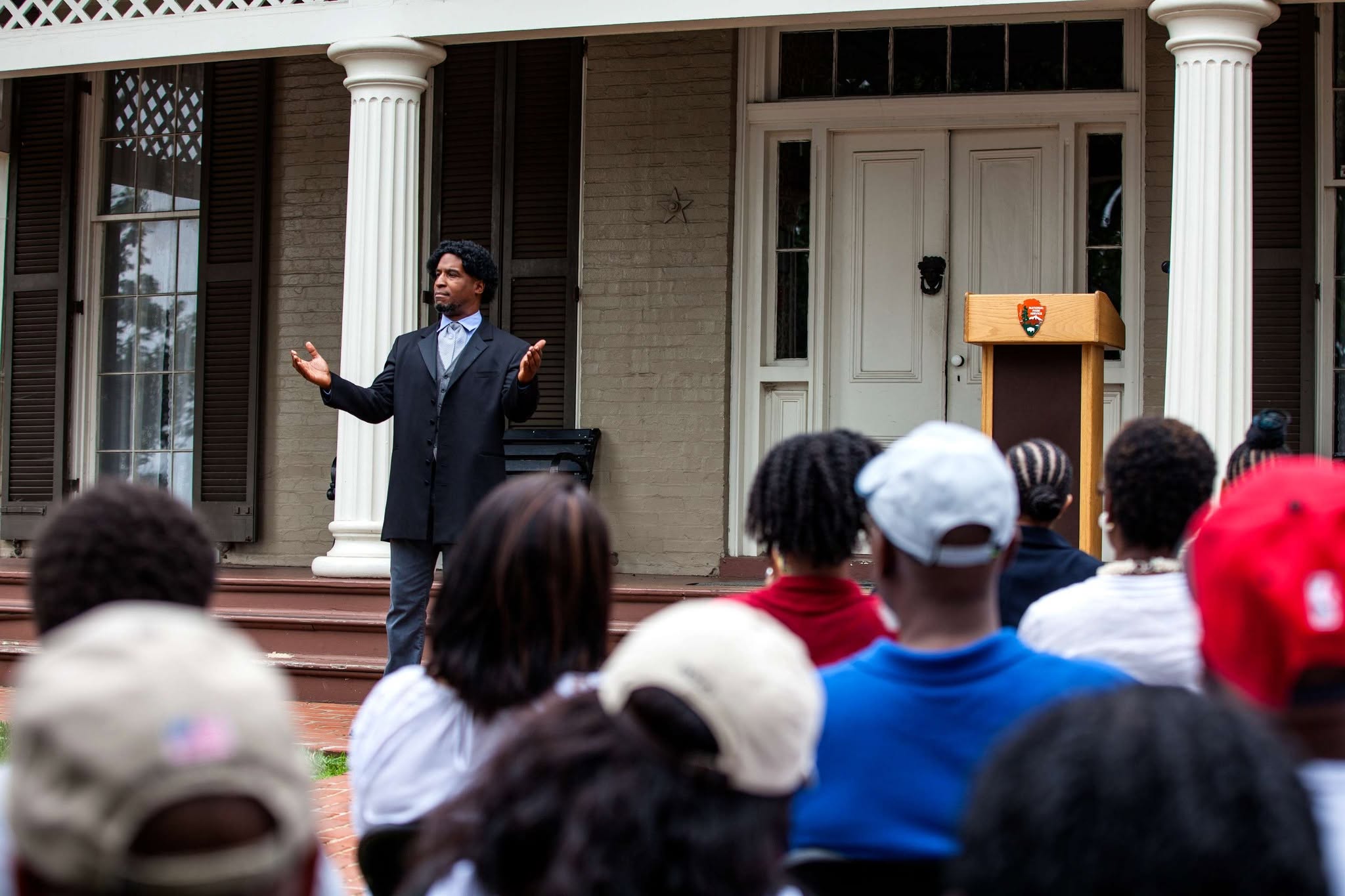
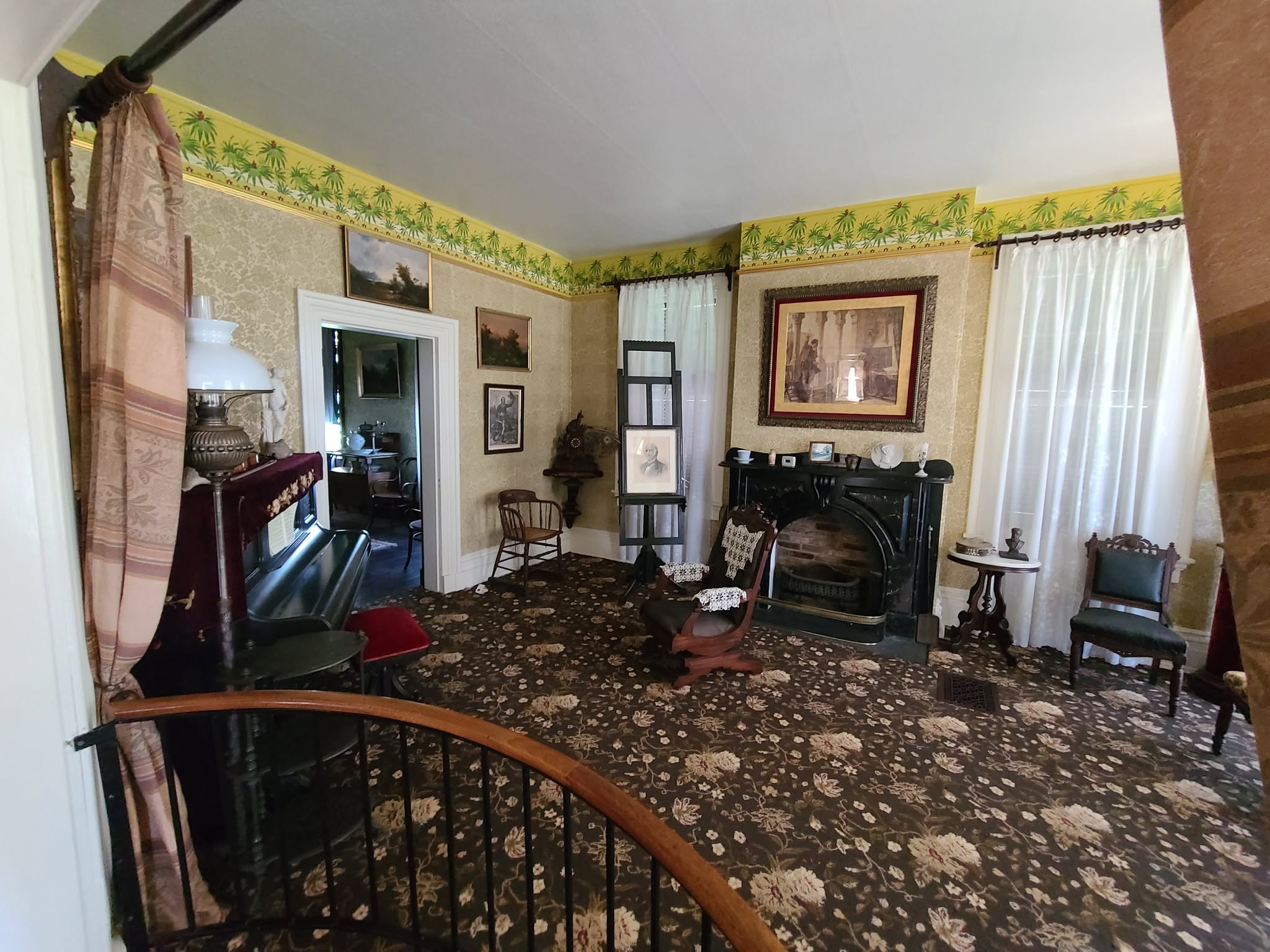
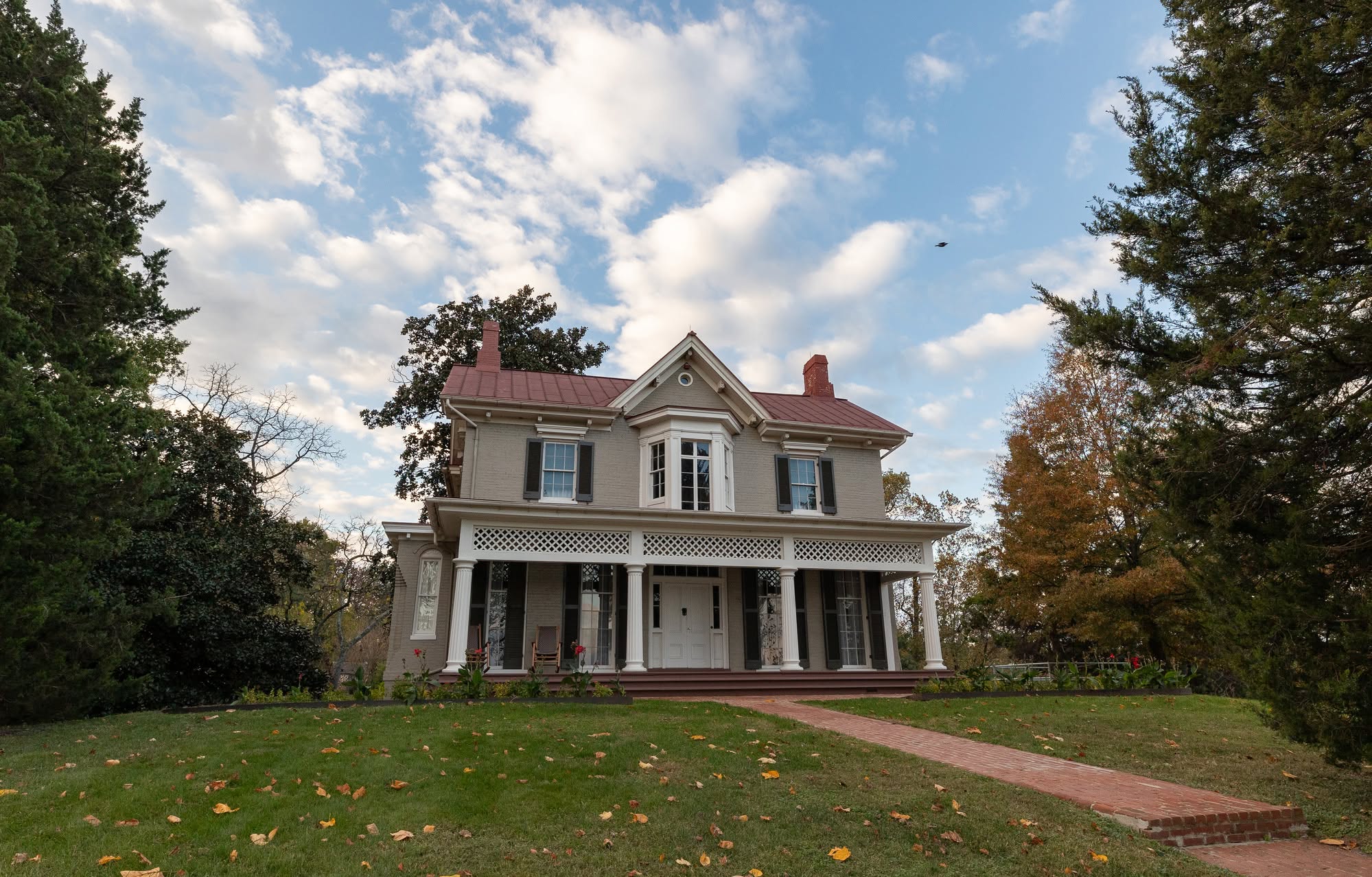
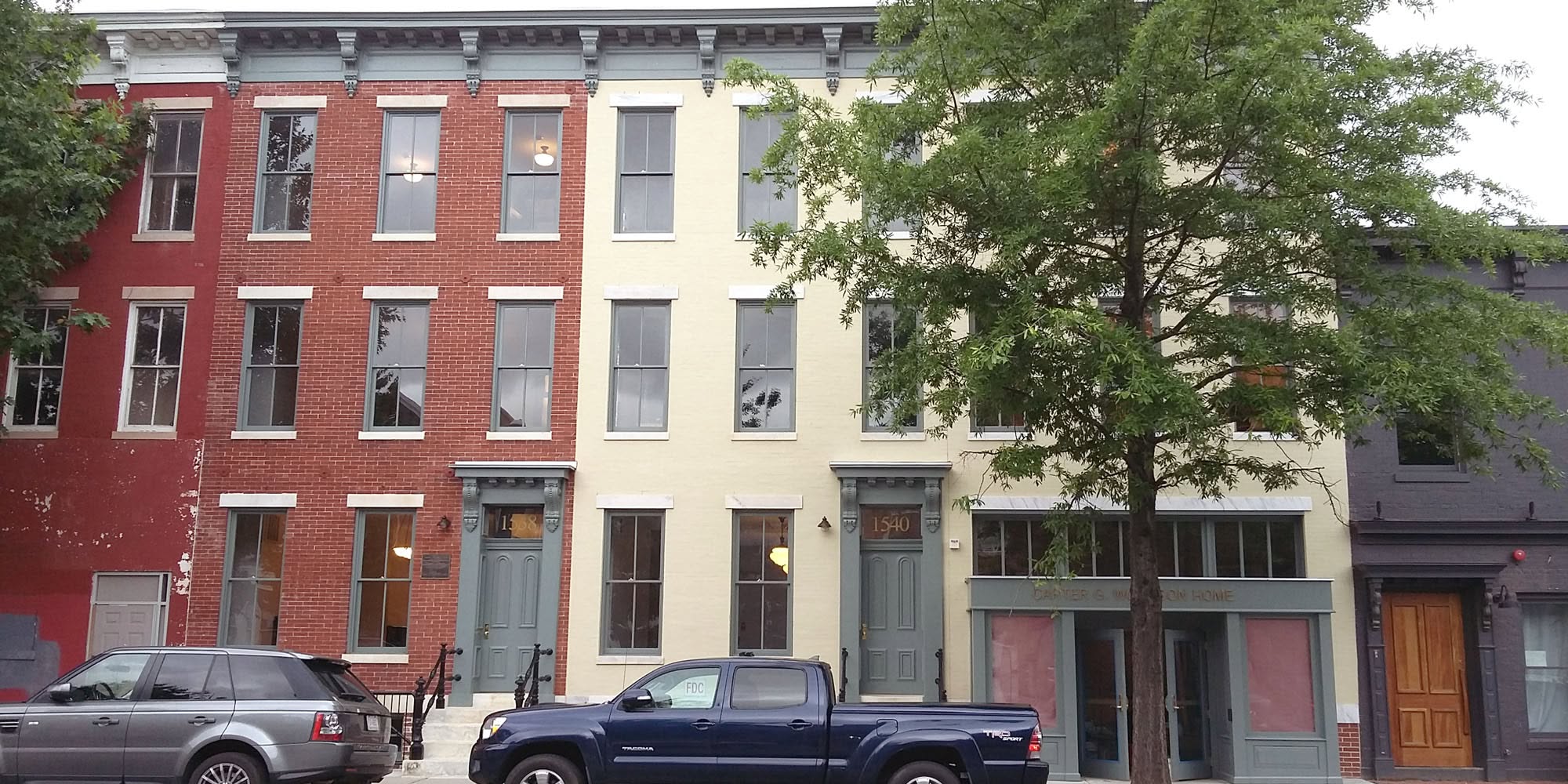
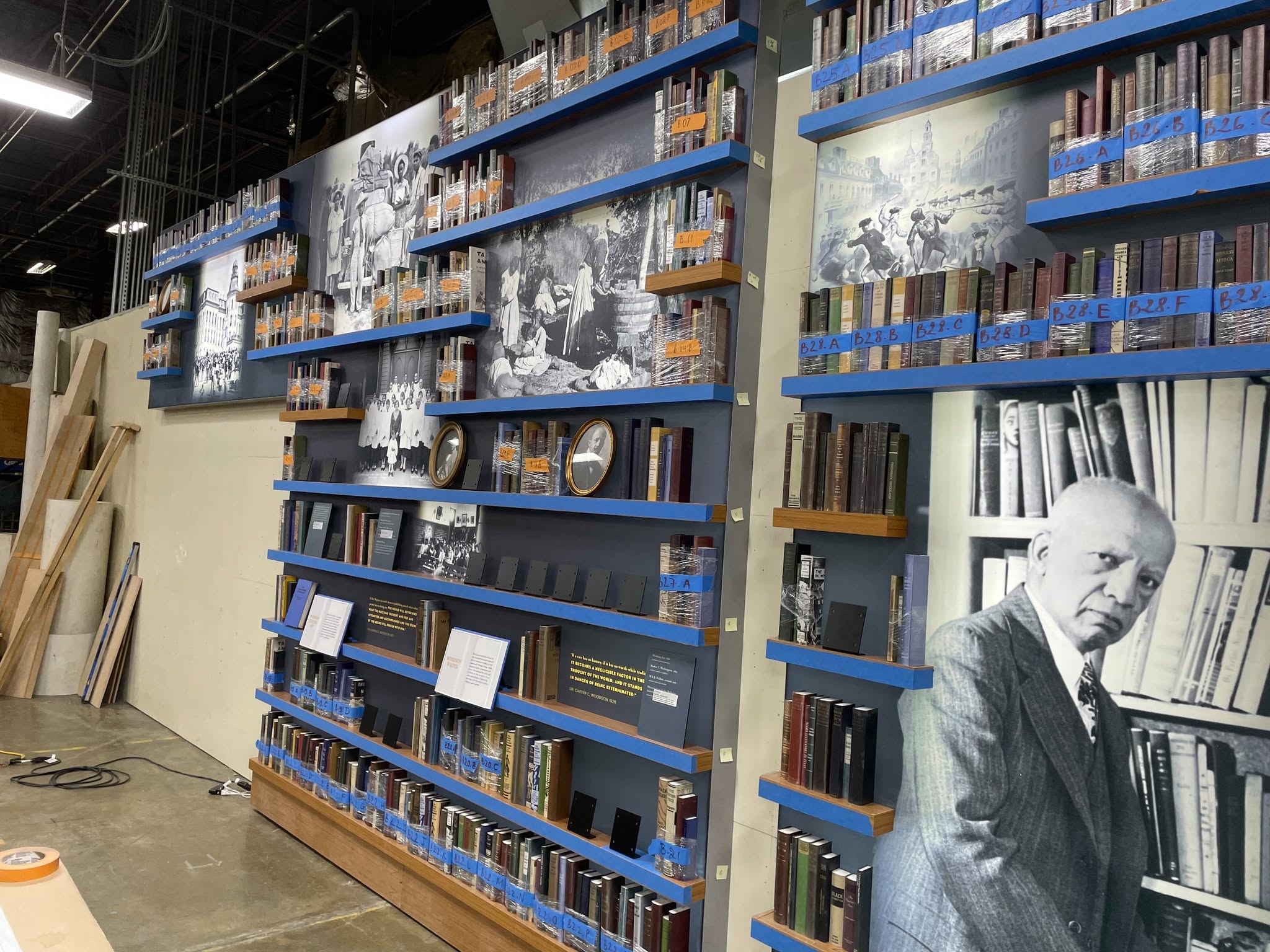
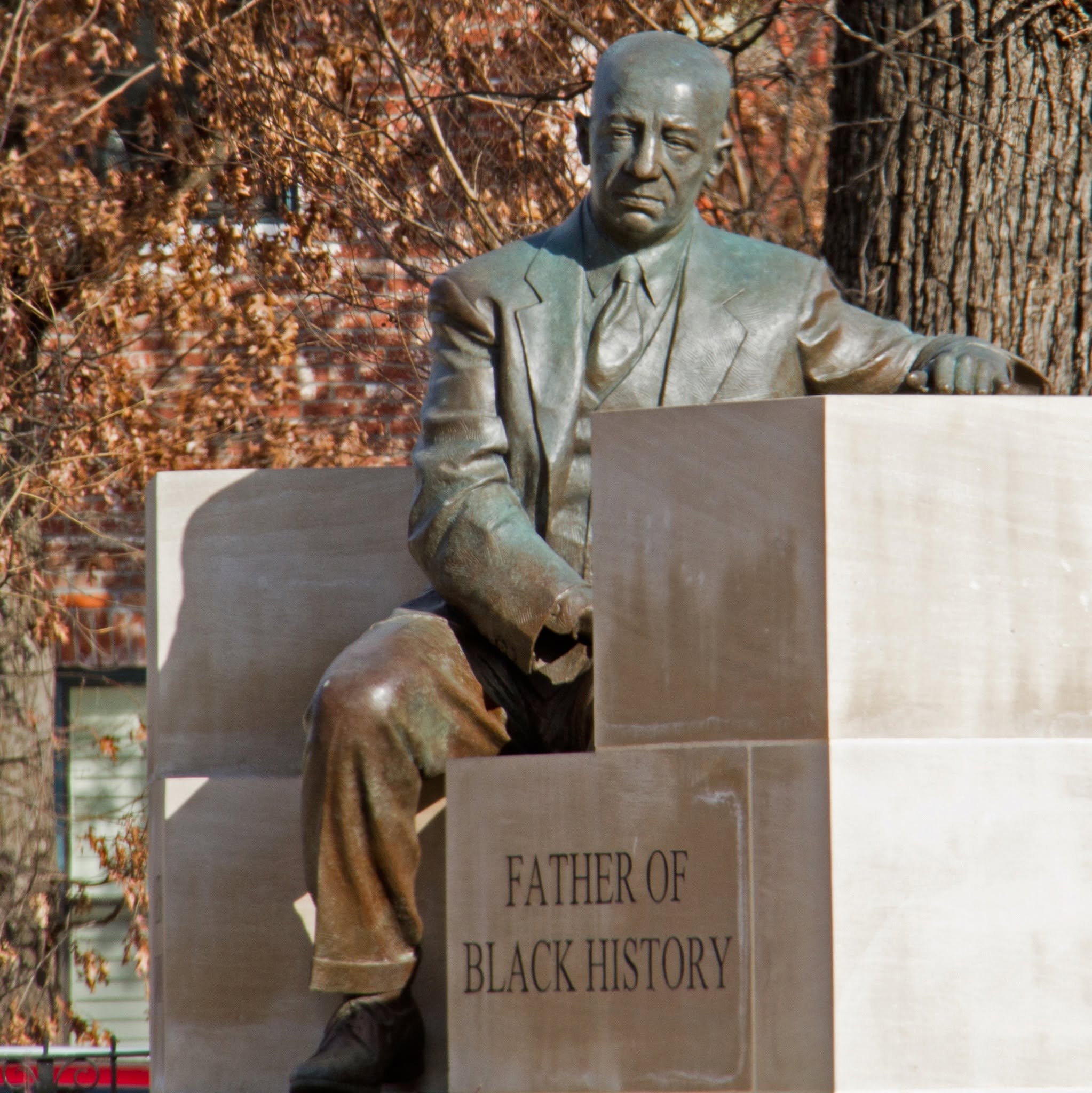
National Capital Parks — East invites you to explore more than 8,000 acres of scenic parkland, historic landmarks, and vibrant community spaces across Washington, D.C. and Maryland. From the riverside trails of Anacostia Park to the homes of American leaders like Frederick Douglass and Carter G. Woodson, each of our 17 nationally significant parks offers a distinct experience.
Stipend: $17.20/Hour
Duration: 11 Weeks (Full-Time)
Location: 1900 Anacostia Drive, SE, Washington, DC 20020
National Capital Parks–East is located in Washington, D.C., one of the nation’s most historic and culturally significant cities. Interns will work at nationally recognized historic sites while enjoying access to museums, monuments, libraries, cultural institutions, and professional networking opportunities throughout the nation’s capital.
Washington, D.C. offers excellent public transportation through Metro rail and bus services, making it easy to travel throughout the city without a personal vehicle. Grocery stores, restaurants, medical facilities, and other everyday services are located nearby. Summers are typically hot and humid; however, most internship activities take place in air-conditioned historic sites and visitor facilities.
Working in the nation’s capital provides interns with a unique opportunity to experience public history, civic engagement, and cultural preservation while contributing to the interpretation of some of America’s most influential historical figures.
No, park housing is not available.
A personal vehicle isn’t required, but you must have a valid driver’s license.