
The work environment is centered around a healthy balance between office and fieldwork, while also taking into consideration the needs and potential limitations of employees and interns. Employees are encouraged to get out and interact with the resources which we interpret on a daily basis, and as such will encounter historic resources, such as 19th century farmsteads and remnants of the charcoaling industry, as well as various types of wildlife, including birds, squirrels, deer, and other types of mountain fauna. Staff and interns are updated on potential hazards in the park and trained to act accordingly. Mountain terrain in the region is fairly rocky and heavily wooded – an environment through which the park has blazed approximately 25 miles of hiking trails. Conversely, the office space is situated in the park’s visitor center, which is where the bulk of the interpretive and education operations are coordinated. Depending on park funding, there are opportunities to host more than one summer intern.
The HBCU intern will work within the division of interpretation and education to assist with researching and interpreting African American history at and around Catoctin Mountain, which will include, but is not limited to, slavery, the Underground Railroad, Reconstruction, and the Civil Rights Era. Initiatives are already underway through a partnership with nearby Catoctin Furnace and the local descendant community, which the park would like to expand upon through educational programming and community engagement developed, in large part, through the HBCUI program. This work will be reflected through a well-constructed program and detailed report on regional Black labor history on the mountain, with a specific focus on the relationship between the landscape and Catoctin Furnace. With Catoctin Furnace’s establishment dating to 1776, this will likewise allow for a reflection on America’s 250th Anniversary as it coincides with many of the stories interpreted at the park.
The intern will be able to develop interpretive, educational, and research skills through provided training, as well as community relations through programming and networking. Additionally, they will have the opportunity to gain experience working across multiple disciplines and divisions as the park seeks to develop a dynamic and diverse team environment. Through on and off-site programming, the intern will work alongside uniformed staff and fellow interns to sharpen interpretive skills and educational tools in the field.
As staff develop networking events and opportunities across the park, and the region, the intern will likewise be able to participate in professional development symposiums, both in person and virtual. Career development and guidance is encouraged and provided by park leadership.
The management at our park fosters developmental opportunities for interns and staff, as well as the training necessary to achieve personal and professional goals. Early orientation and familiarization with park resources are provided by staff, as well as mentorship available through the divisional supervisor and divisional leadership. This is in addition to having the intern embedded with park staff and researchers, from a multitude of disciplines, to encourage networking and further skills development. Throughout the internship, interns and staff are encouraged to ask questions of their supervisors and colleagues while exploring the park’s resources. While the Interpretation and Education Division is limited in size, this allows for planning informal activities with relative ease.
Qualifications for the position would include research and writing skills, communication and teamwork skills, as well as experience with public speaking. Ability to work independently and autonomously on assigned projects, as well as a background in history and/or African American studies are preferred.
Requirements for the position include the ability to communicate history and documented information through public programming. Clerical work relative to historical and cultural research is critical to reporting findings and recording information that will be shared by the intern.
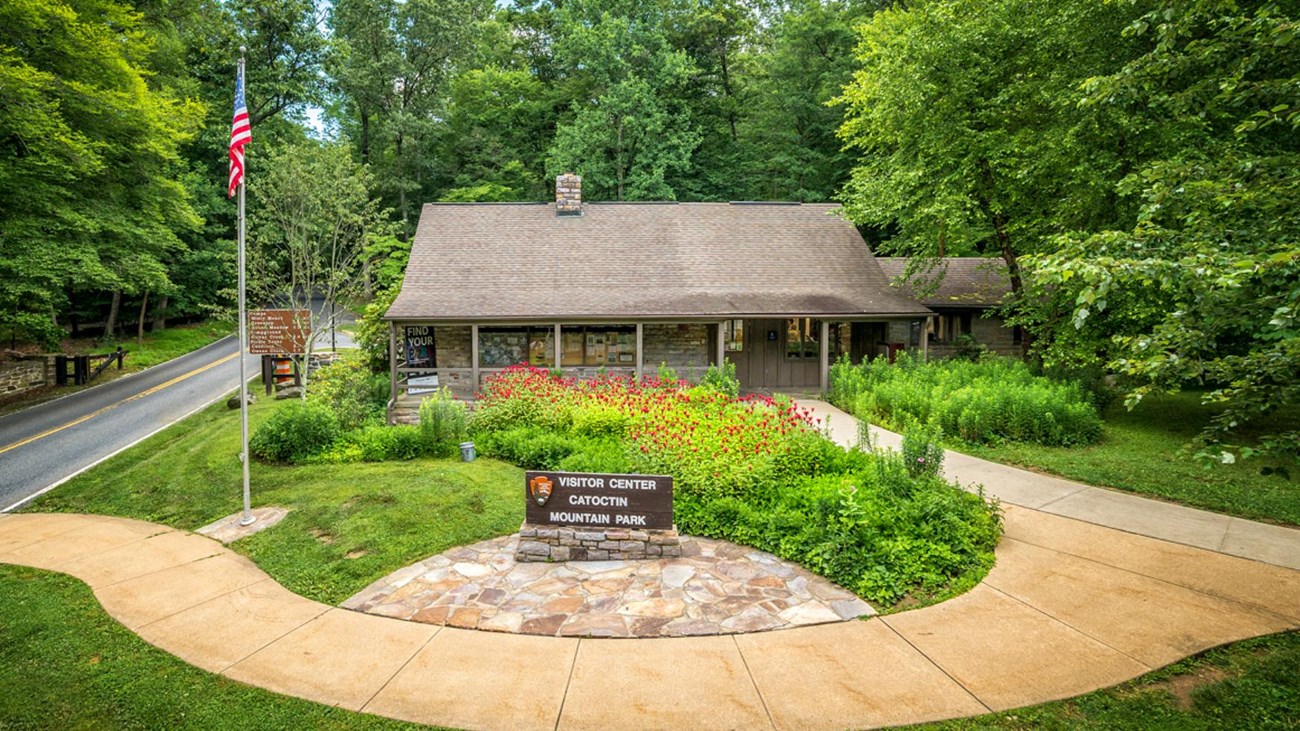
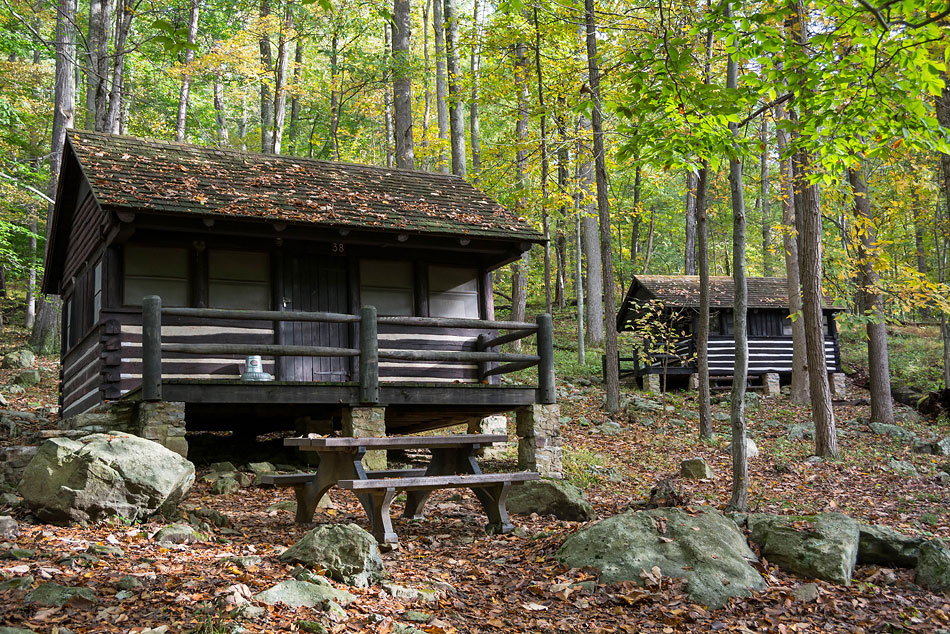
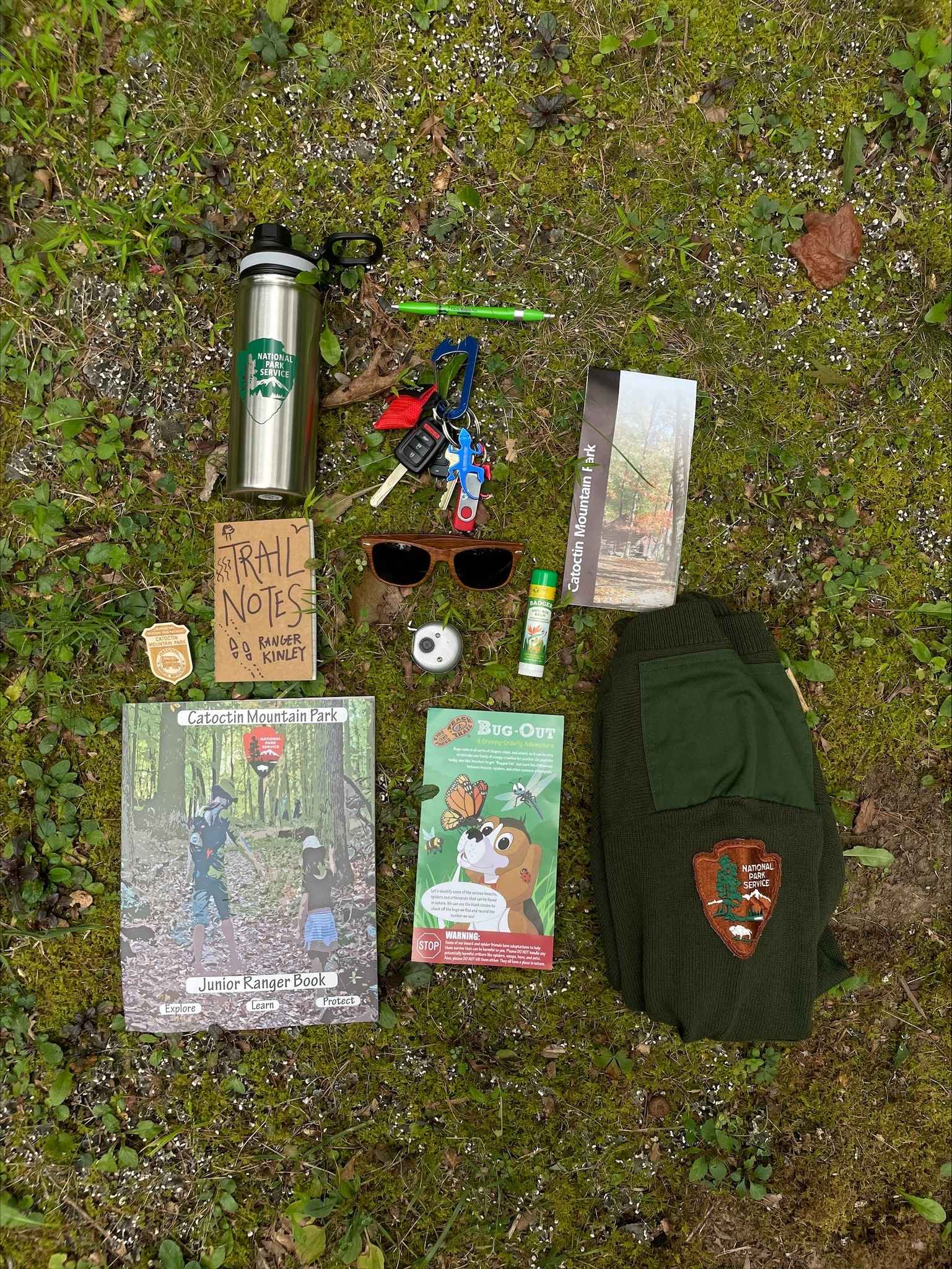
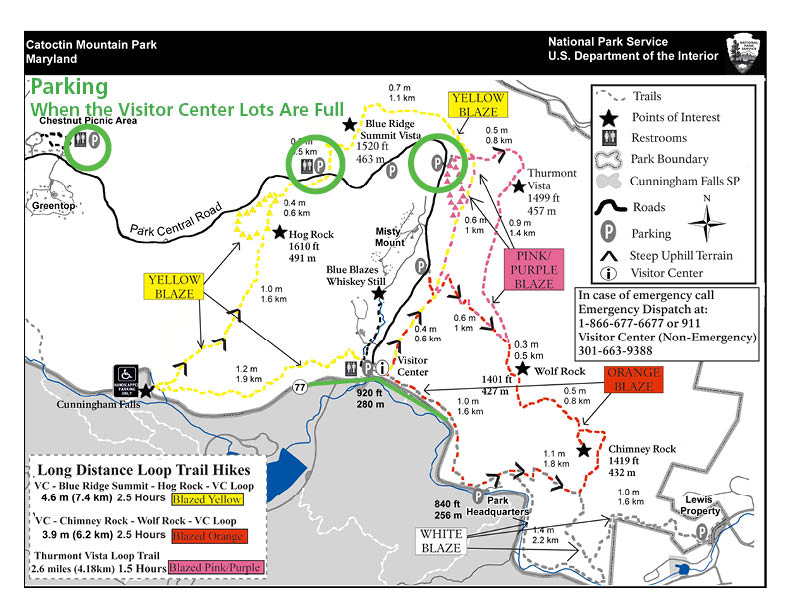
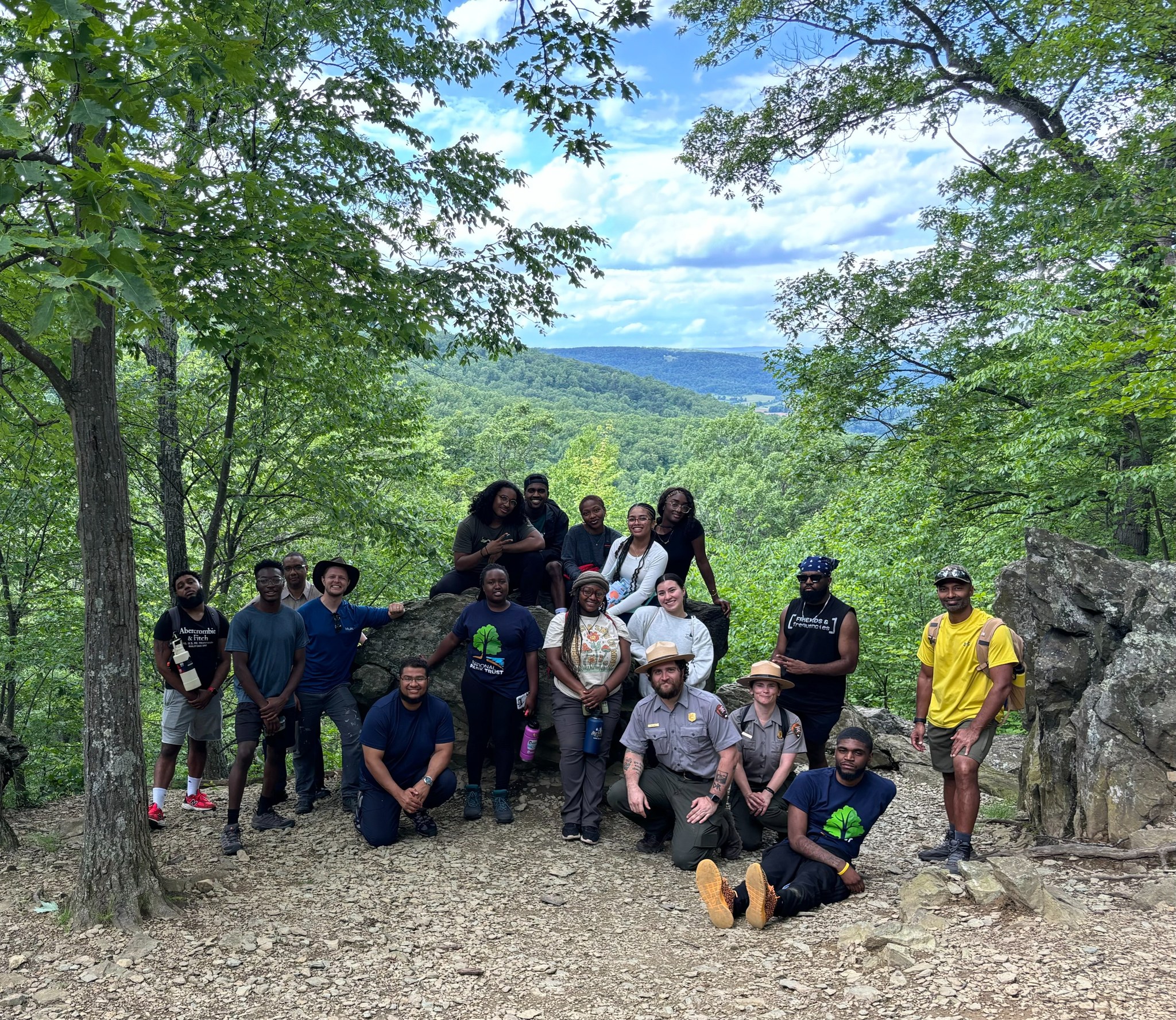
On November 14, 1936, the Catoctin Recreational Demonstration Area was transferred from the Resettlement Administration to the National Park Service. On July 12, 1954, it was renamed Catoctin Mountain Park.
Stipend: $17.20/Hour
Duration: 20 Weeks (Full-Time)
Location: 14707 Park Central Road, Thurmont, Maryland 21788
The park and office space are set on the easternmost of the Appalachian Mountains with an elevation of approximately 1600 feet, so weather conditions vary from season to season. The nearest grocery stores, restaurants, gas stations, etc. are located in the neighboring town of Thurmont, while hospitals and medical facilities are primarily located in the towns of Gettysburg, Hagerstown, and Frederick – approximately 20-25 minutes away. The mountain is surrounded by several neighborhoods, both rural and suburban. Latinx communities are located in close proximity, primarily in the Frederick area and surrounding environments.
Yes, park housing is available.
Yes, a personal vehicle is required, and you must have a valid driver’s license.